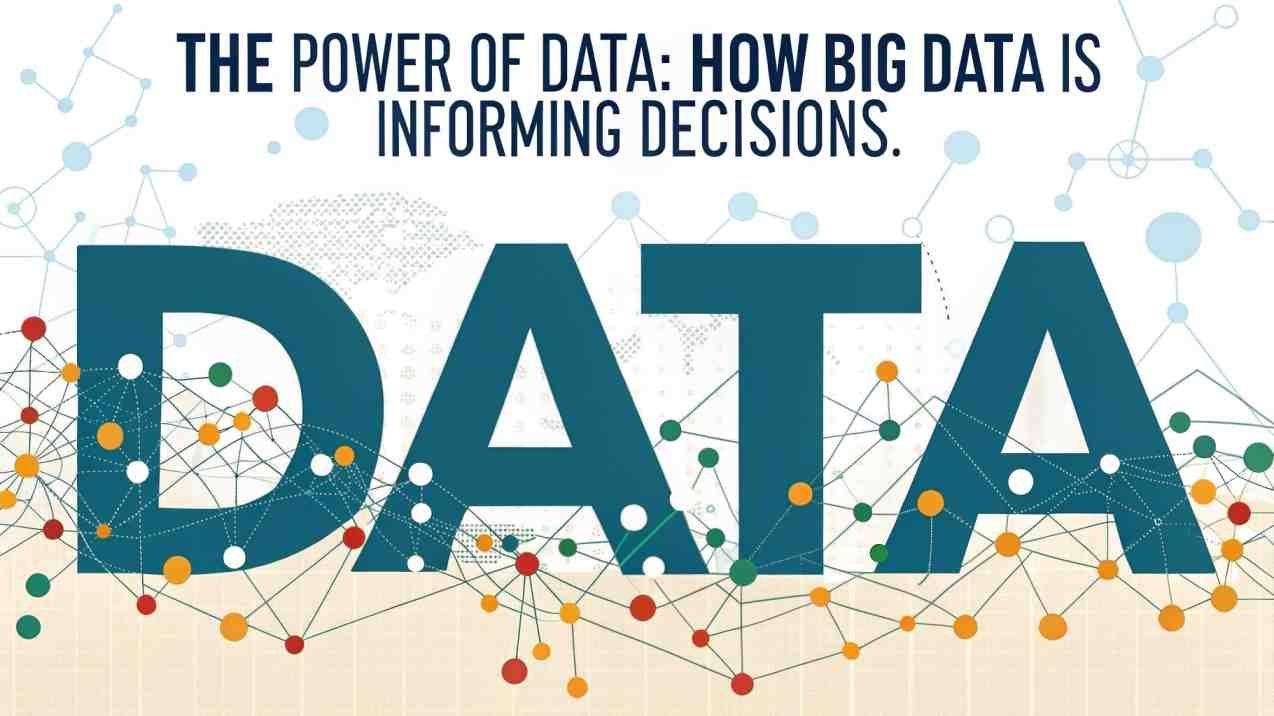
The Power of Data: How Big Data Is Informing Decisions
Whenever you go online, swipe using a credit card, or even post on social media, you are creating information. Keep multiplying it by billions of individuals performing the same things every second of every day, and you end up having what experts refer to as big data. This massive flood of information has become one of the most powerful forces shaping business, science, and society, thanks to the ability to gather, store, and analyze it.
What Makes Data “Big”?
Big data are datasets that are very large and complex, beyond the capacity of traditional software to process. These collections have three features, commonly referred to as the three Vs, namely volume, the amount of data per se; velocity, the rate at which it is created; and variety, the vast multiplicity of the types of data, including text and images as well as GPS positions and sensor readings.
The use of Big Data by Businesses and Science.
This is because companies can use big data to know their customers better than ever before. Online stores analyze your browsing history, buying behavior, and even the time you hover over items to determine what you may need to buy next. Streaming platforms such as Netflix and Spotify use data collected from millions of users to suggest content and decide which new movies, shows, or songs to create.
Big data is saving lives in the healthcare sector. By accessing the health records of millions of patients, researchers can understand disease trends and the best treatments, identify outbreaks likely to occur, and avert them before they occur. Big data was used to monitor the spread of the virus during the COVID-19 pandemic and to support public decisions regarding the health issue.
The use of big data analytics in sports teams is now aimed at enhancing performance. Coaches and analysts analyze players’ statistics, patterns of movement, and game recordings to make more informed tactical decisions. The use of data scientists by many professional teams is aimed at achieving a competitive advantage.
The Responsibility of Data and Privacy.
Governmental organizations are analyzing big data to monitor traffic in urban areas and detect fraud in benefit systems. Data analysis helps law enforcers determine crime patterns and allocate more resources to policing.
Naturally, big data is also a serious concern for privacy. With all this information gathering and analysis of the people involved, there is actual possibility of misuse. People should know what information they are providing, and governments should establish clear regulations on how that information can be used.
Big data is a powerful tool. Like any strong tool, it can either accomplish a lot of good or cause great damage, depending on how it’s used.